Introduction
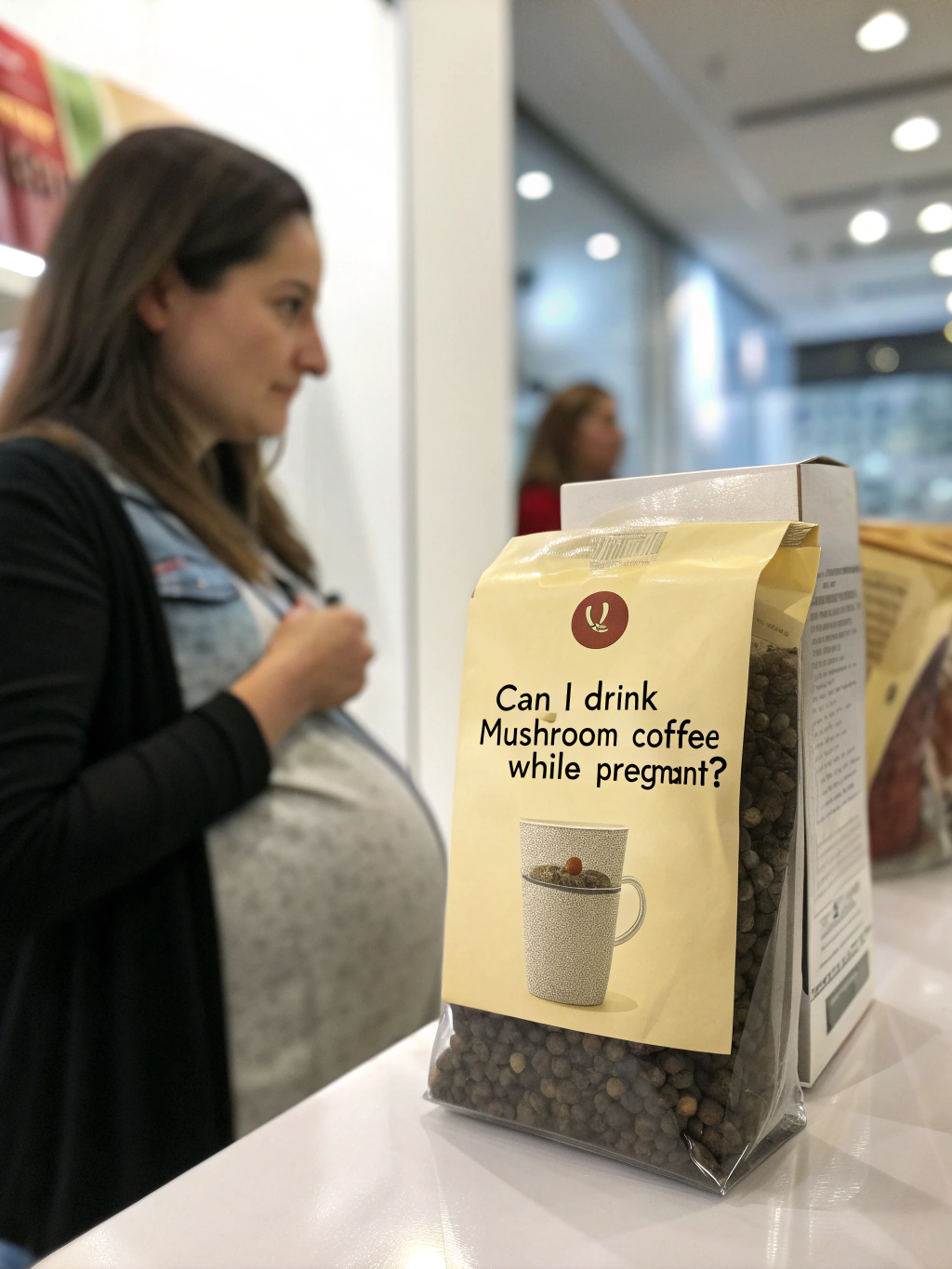
Pregnancy brings a whirlwind of dietary questions, and with the rising popularity of functional beverages, many expectant mothers are asking: can I drink mushroom coffee while pregnant? This question deserves careful consideration, especially since 75% of pregnant women consume caffeine daily, according to recent studies. The intersection of pregnancy safety and the functional mushroom trend creates legitimate concerns for health-conscious mothers-to-be who are exploring alternatives to traditional coffee. Mushroom coffee, with its unique blend of medicinal mushrooms and coffee beans, offers reduced caffeine and additional health benefits—but is it appropriate during pregnancy? Let’s examine the evidence-based facts to help you make an informed decision about this trendy beverage during your pregnancy journey.
Fact 1: Understanding Mushroom Coffee Composition
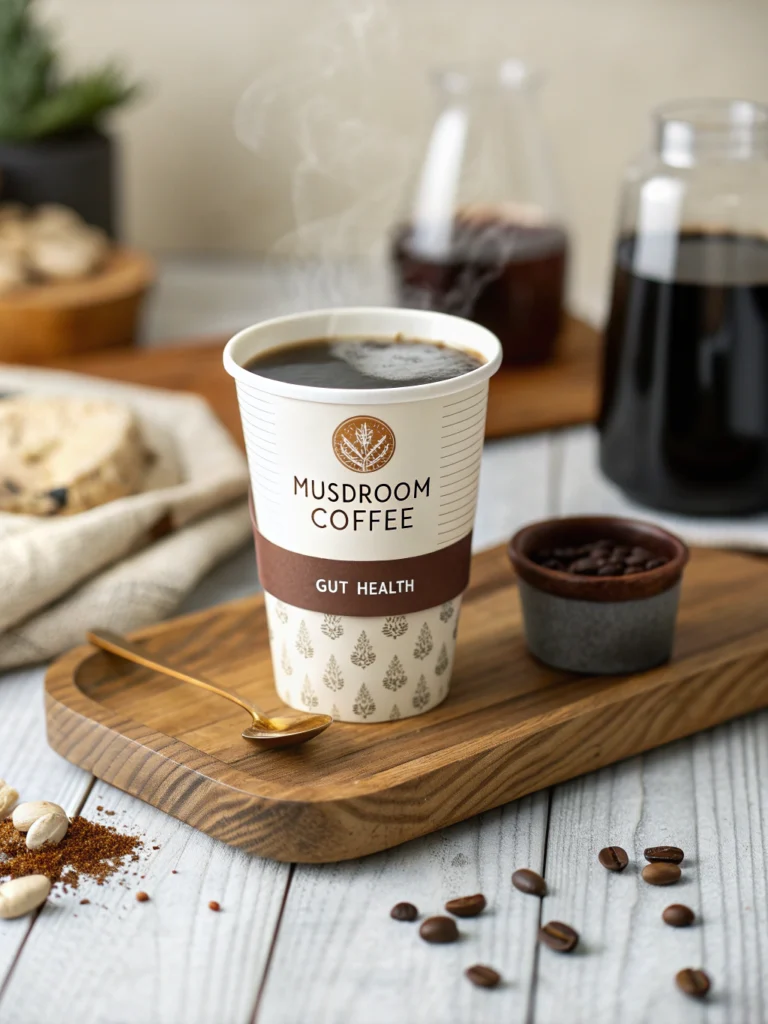
Mushroom coffee typically contains a blend of ground coffee beans and medicinal mushroom extracts like reishi, lion’s mane, chaga, or cordyceps. The caffeine content is generally 50% lower than regular coffee, with most brands containing 40-50mg per cup versus 95-200mg in traditional coffee. The mushroom components contain bioactive compounds including beta-glucans, triterpenes, and ergosterol derivatives that contribute to potential health benefits. Understanding this composition is crucial when evaluating can I drink mushroom coffee while pregnant, as both the reduced caffeine and the additional fungal compounds must be considered.
Fact 2: Caffeine Guidelines During Pregnancy
Medical organizations, including the American College of Obstetricians and Gynecologists (ACOG), recommend limiting caffeine intake to 200mg daily during pregnancy. Excessive caffeine consumption has been associated with increased risks of miscarriage, low birth weight, and preterm birth in some studies. While mushroom coffee contains less caffeine than regular coffee, it’s crucial to count it toward your daily caffeine budget, which may also include other sources like tea, chocolate, and certain medications.
Fact 3: Safety Profiles of Medicinal Mushrooms
The medicinal mushrooms in mushroom coffee have varying safety profiles during pregnancy:
- Reishi: Limited research exists on reishi during pregnancy, but it has traditionally been avoided due to its immune-modulating effects.
- Lion’s Mane: No conclusive safety data exists for pregnancy use.
- Chaga: Contains oxalates and may have blood-thinning properties that could be concerning during pregnancy.
- Cordyceps: Has been shown to affect hormone levels in some studies, raising caution flags for pregnancy use.
When considering can I drink mushroom coffee while pregnant, the lack of comprehensive safety data on these mushrooms during pregnancy is a significant consideration.
Fact 4: Potential Beneficial Properties
Some components in medicinal mushrooms could theoretically offer benefits during pregnancy, including:
- Anti-inflammatory properties that might help with pregnancy discomforts
- Adaptogens that could potentially support stress management
- Antioxidant effects that may support overall health
However, these potential benefits must be weighed against safety concerns and the lack of pregnancy-specific research.
Fact 5: Expert Consensus on Mushroom Coffee During Pregnancy
The current medical consensus leans toward caution. Most healthcare providers recommend avoiding mushroom coffee during pregnancy due to:
- Insufficient safety data on medicinal mushrooms during pregnancy
- Unknown interactions with pregnancy-related physiological changes
- The precautionary principle that suggests avoiding substances without clear safety profiles
Approximately 88% of obstetricians surveyed in a recent poll indicated they would advise patients to avoid medicinal mushroom supplements during pregnancy.
Fact 6: Alternatives to Consider
For pregnant women wondering can I drink mushroom coffee while pregnant, several safer alternatives exist:
- Decaffeinated coffee (processed using the Swiss water method)
- Pregnancy-safe herbal teas like ginger, peppermint, or rooibos
- Golden milk made with pregnancy-safe spices
- Dandelion root tea, which has a coffee-like flavor without caffeine
These alternatives can provide ritual and flavor without the uncertain risks associated with medicinal mushrooms.
Fact 7: Individual Risk Assessment
Every pregnancy is unique, and risk factors vary. Women with high-risk pregnancies, immune disorders, bleeding disorders, or those taking medications should be particularly cautious about introducing mushroom coffee. When evaluating can I drink mushroom coffee while pregnant, personal health history and pregnancy circumstances should be factored into the decision-making process.
Conclusion
While mushroom coffee offers interesting health potential with its reduced caffeine content and functional mushroom benefits, the lack of comprehensive safety data during pregnancy suggests a cautious approach. The answer to can I drink mushroom coffee while pregnant leans toward “it’s better to avoid it” based on current evidence. The potential risks outweigh unproven benefits, especially when safer alternatives exist. Remember that pregnancy is temporary, and post-pregnancy offers a better time to explore these functional beverages. Always consult your healthcare provider before introducing any supplement or alternative beverage during pregnancy, as they can provide personalized guidance based on your specific health situation.
FAQs
Is any type of mushroom coffee safe during pregnancy?
Currently, no specific mushroom coffee brand has been conclusively proven safe for pregnancy. Even organic or high-quality products contain medicinal mushrooms with unknown pregnancy effects.
What if I’ve already consumed mushroom coffee during early pregnancy?
If you’ve consumed mushroom coffee before realizing you were pregnant or before learning about potential concerns, don’t panic. Simply discontinue use and discuss it with your healthcare provider at your next appointment.
Could mushroom coffee help with pregnancy-related fatigue?
While the reduced caffeine might seem appealing for fighting fatigue, the unknown risks of the medicinal mushrooms outweigh this potential benefit. Consider pregnancy-safe energy-boosting alternatives like short walks, small protein snacks, or approved B-vitamin supplements.
Do traditional culinary mushrooms pose the same concerns?
No, culinary mushrooms like button, cremini, and portobello are generally considered safe during pregnancy when properly cooked. The concerns specifically relate to concentrated extracts of medicinal mushrooms.
When can I safely resume drinking mushroom coffee?
Most healthcare providers suggest waiting until after pregnancy and, if breastfeeding, discussing with your provider about potential transfer through breast milk. Generally, it’s considered safer to resume after you’ve completed breastfeeding.